
What is Endometriosis?
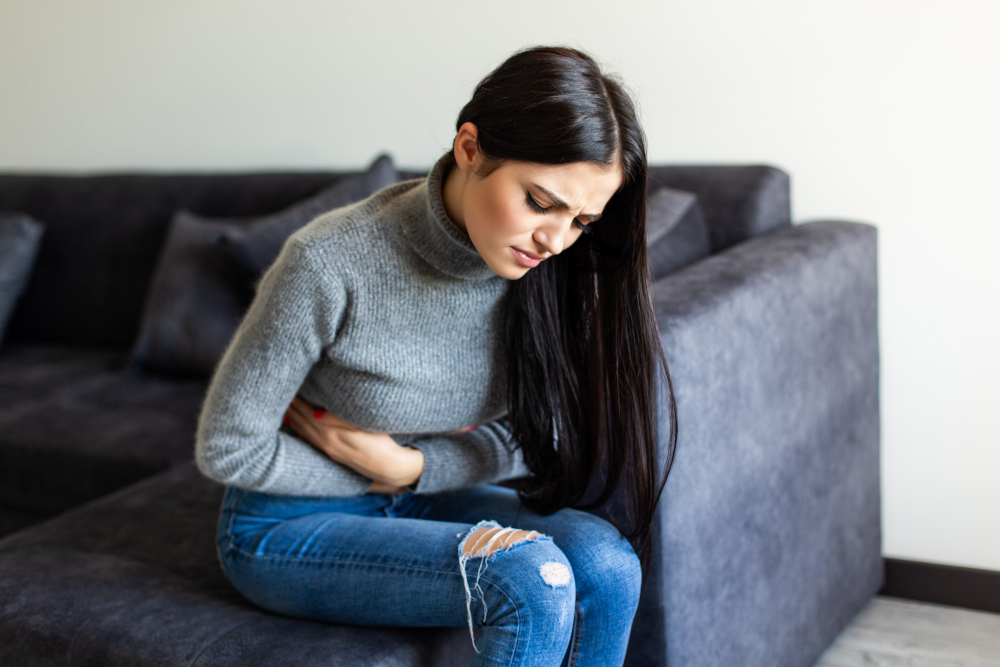
Endometriosis is a chronic pelvic disorder that affects many women. In this condition, tissue similar to the lining inside the uterus grows outside the uterus. As a result, this tissue can cause pain, swelling, and other problems. Endometriosis often affects the ovaries, fallopian tubes, and the tissue lining the pelvis. However, it can sometimes spread beyond these areas. According to the World Health Organization (WHO), endometriosis affects about 10% of women of reproductive age worldwide.
Common Symptoms of Endometriosis
Many women with endometriosis experience a range of symptoms. However, the severity can vary from person to person. Early detection is important. Here are some common signs to watch for:
Sometimes, women may have mild symptoms or none at all. But if you notice any of these signs, it is wise to talk to your doctor.
Causes and Risk Factors
Doctors do not know the exact cause of endometriosis. However, several factors may increase the risk. Understanding these can help you stay informed. Possible causes and risk factors include:
Although these factors may raise your risk, anyone with a uterus can develop endometriosis.
How Endometriosis is Diagnosed
Getting a diagnosis is the first step toward relief. But how is endometriosis diagnosed? Doctors usually begin by asking about your symptoms and medical history. Next, they may perform a pelvic exam to feel for cysts or scars. However, small areas of endometriosis can be hard to detect this way.
To get a clearer picture, your doctor may suggest:
Only a laparoscopy can confirm endometriosis for sure. But other tests help rule out similar conditions.
Treatment Options for Endometriosis
Treatment for endometriosis depends on your symptoms and goals. For example, some women want pain relief, while others hope to improve fertility. Your doctor will help you choose the best plan. Common treatments include:
In some cases, a combination of treatments works best. Always discuss the risks and benefits with your healthcare provider.
Lifestyle Tips and Self-Care
While medical treatment is important, self-care can also help manage endometriosis symptoms. Here are some tips you can try at home:
Although these steps may not cure endometriosis, they can improve your quality of life.
Prevention and When to See a Doctor
Currently, there is no sure way to prevent endometriosis. However, knowing the symptoms and risk factors can help you seek help early. If you have ongoing pelvic pain, heavy periods, or trouble getting pregnant, do not wait. See a healthcare specialist for advice. Early diagnosis and treatment can make a big difference.
If you suspect you have endometriosis, consult a healthcare specialist at Sarayu IVF Hospital for personalized advice.