
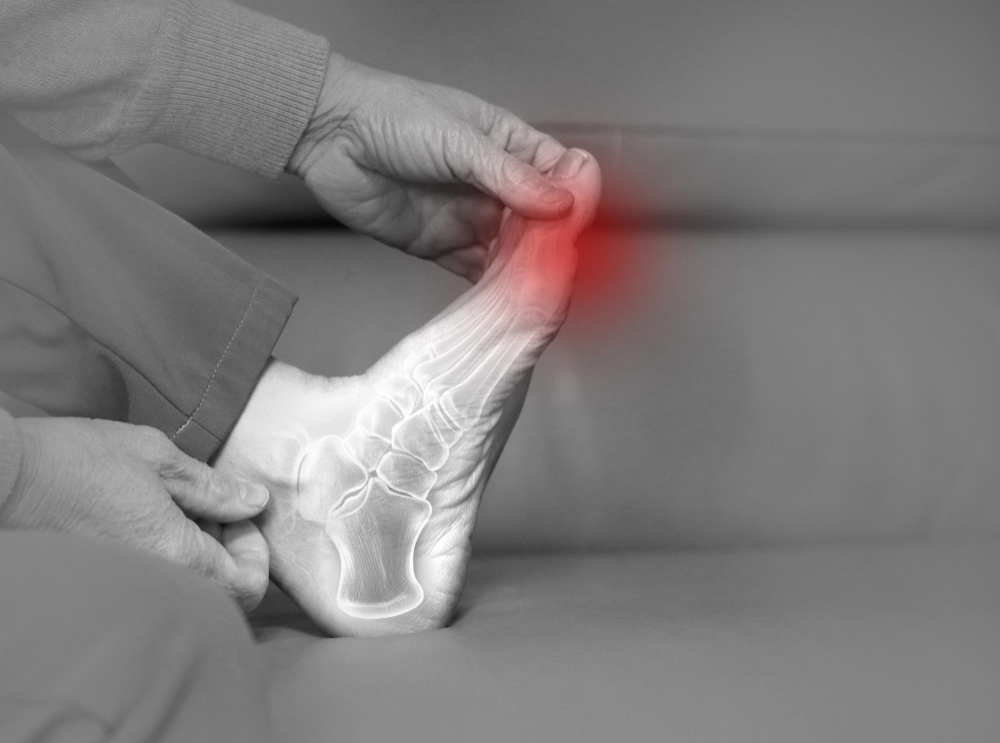
What Is Gout Arthritis?
Gout Arthritis is a type of joint disease that causes sudden, severe pain. Often, it strikes without warning, usually at night. This pain is caused by a buildup of uric acid crystals in the joints. While many people think only diet causes gout, there are other important factors. Gout arthritis can affect anyone, but it is more common in adults. It often targets the big toe, but it can also affect other joints like the ankle, knee, or wrist.
Common Symptoms of Gout Arthritis
Gout arthritis symptoms can appear quickly and may be very intense. For example, you might wake up with a swollen, red, and painful joint. The pain often starts suddenly and can last for days. Here are some common signs:
Sometimes, the skin over the joint may look shiny or feel tight. Because these symptoms can be mistaken for other problems, it is important to know what to look for.
Causes and Risk Factors Beyond Diet
Many people believe that eating certain foods is the only cause of gout joint pain. However, there are several other reasons why gout attacks happen. While foods high in purines (like red meat and seafood) can raise uric acid, other factors play a big role. For instance, genetics can make some people more likely to get gout arthritis. Additionally, certain medications and health conditions can increase risk. Here are some common causes and risk factors:
Therefore, while diet matters, it is not the only answer. Other health issues and even genetics can lead to gout arthritis.
How Gout Arthritis Is Diagnosed
Doctors use several methods to diagnose gout arthritis. First, they ask about your symptoms and medical history. Next, they examine the affected joint. Often, they may order tests to confirm the diagnosis. For example, a blood test can check uric acid levels. However, high uric acid does not always mean you have gout. Sometimes, doctors use a needle to take fluid from the swollen joint. They look for uric acid crystals under a microscope. X-rays or ultrasound may also help rule out other causes of joint pain. Because gout symptoms can look like other problems, proper testing is important.
Treatment Options for Gout Arthritis
Treating gout arthritis involves more than just changing your diet. Doctors often use medicines to reduce pain and swelling. For example, nonsteroidal anti-inflammatory drugs (NSAIDs) can help. Sometimes, colchicine or corticosteroids are used to control symptoms. In addition, long-term medicines may lower uric acid levels and prevent future attacks. These include allopurinol or febuxostat. Besides medication, doctors may suggest lifestyle changes. For severe cases, joint drainage or surgery may be needed. It is important to follow your doctor’s advice for the best results.
Lifestyle Tips and Prevention
While medicine is key, healthy habits can help prevent gout attacks. Even small changes can make a big difference. Here are some practical tips:
Because gout arthritis can return, these steps may help reduce your risk. However, always talk to your doctor before making big changes.
When to See a Doctor
If you have sudden joint pain, swelling, or redness, you should see a doctor right away. Early treatment can prevent lasting joint damage. Also, if you have frequent gout attacks or other health problems, medical advice is important. Sometimes, joint pain can be a sign of other serious conditions. Therefore, do not ignore new or severe symptoms. Your doctor can help find the best treatment for you.
If you experience sudden joint pain or suspect gout arthritis, consult a healthcare specialist at Keyan Clinic for personalized advice.