What Is Lumbar Spinal Stenosis?
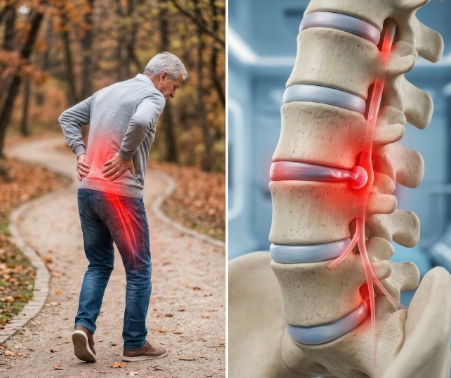
Many people feel back or leg pain as they get older. Often, lumbar spinal stenosis is the reason. This condition happens when the space inside the lower back narrows. As a result, nerves in the lower spine can get squeezed. Because of this, you may feel pain, numbness, or weakness. The lumbar spine is the lower part of your back. When it narrows, it can cause problems with walking or standing. For many, this condition can affect daily life. However, understanding it can help you manage symptoms better.
Common Symptoms of Lumbar Spinal Stenosis
Usually, symptoms start slowly and get worse over time. For example, you may notice pain in your lower back. Sometimes, the pain spreads to your legs. In addition, you might feel tingling or numbness. Some people also feel weakness in their legs or feet. Walking or standing for a long time can make symptoms worse. However, sitting or leaning forward often brings relief. Here are some common signs:
Main Causes of Back and Leg Pain in Lumbar Spinal Stenosis
There are several reasons why lumbar spine narrowing can happen. Most often, it is due to aging. Over time, the bones and joints in your back can wear down. As a result, the space for your nerves gets smaller. Sometimes, thickened ligaments or bone spurs press on the nerves. In rare cases, injuries or tumors may cause narrowing. Here are some main causes:
Because these changes happen slowly, symptoms may not appear right away. But over time, they can lead to back pain causes that affect your daily life.
How Lumbar Spinal Stenosis Is Diagnosed
If you have symptoms, it is important to see a doctor. First, your doctor will ask about your pain and health history. Next, they will check your back and legs. Sometimes, you may need tests to confirm the diagnosis. For example, an X-ray can show changes in your spine. An MRI or CT scan can give more detail about nerve pressure. In some cases, your doctor may refer you to an orthopedic spine specialist. This expert can help find the best treatment for you. If you need lumbar spinal stenosis treatment near you, ask your doctor for a referral.
Treatment Options for Lumbar Spinal Stenosis
Treatment depends on how bad your symptoms are. In many cases, simple steps can help. For example, physical therapy can make your back stronger. Medicines can help with pain and swelling. Sometimes, steroid shots can reduce nerve swelling. However, if these steps do not help, surgery may be needed. Surgery can make more space for the nerves. Your doctor will help you choose the best option. Here are common treatments:
Always talk with your doctor before starting any new treatment.
Lifestyle Tips for Managing Back and Leg Pain
Even though lumbar spinal stenosis can cause pain, some daily habits may help. For instance, staying active helps keep your back strong. Stretching can improve how you move. In addition, keeping a healthy weight takes pressure off your spine. Here are some tips to try:
For more help, ask your doctor or a physical therapist for advice.
Preventing Lumbar Spinal Stenosis
While you cannot stop all causes, you can lower your risk. For example, regular exercise keeps your back and core muscles strong. Eating healthy foods helps your bones stay strong. In addition, avoid lifting heavy objects the wrong way. If you smoke, quitting can help your spine stay healthy. Here are some ways to help prevent lumbar spinal stenosis:
Because early care can make a difference, see your doctor if you notice new back or leg pain. Start your journey towards better health. Book an appointment now.