
Introduction
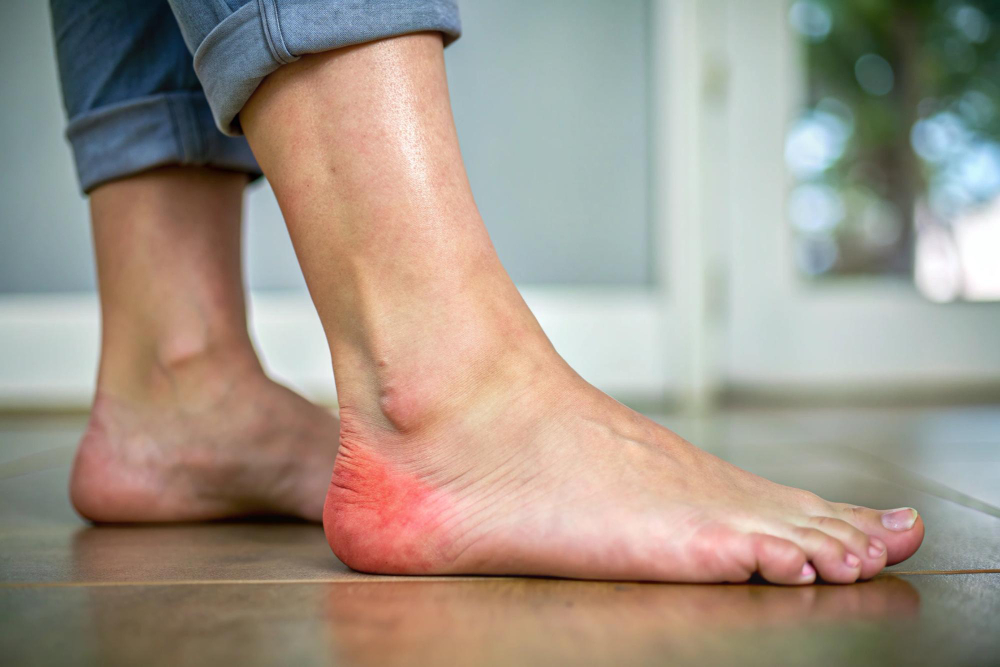
Heel pain after walking can affect your daily life. While plantar fasciitis is a common reason, it is not the only cause. Many people search for reasons for heel pain after walking because they want relief. However, other orthopedic causes of heel pain can also play a role. Understanding these causes is important for finding the right treatment.
Common Symptoms
Often, heel pain after walking starts as a dull ache. Sometimes, the pain becomes sharp or throbbing after you walk for a while. In many cases, the pain gets worse with more activity. For some, the pain is worse in the morning or after long periods of rest. However, with other causes, the pain may appear later in the day or after exercise. Unlike plantar fasciitis, which usually hurts most with the first steps in the morning, other conditions may have different patterns. For example, swelling, redness, or tingling can also be present. Paying attention to when and how the pain appears helps doctors find the cause.
Causes of Heel Pain After Walking
Although plantar fasciitis is well known, several other conditions can lead to heel pain after walking. Below are some common reasons for heel pain after walking that go beyond plantar fasciitis:
Diagnosis
When you visit an orthopedic specialist for heel pain after walking, they start with a detailed history. Next, they perform a physical exam to check for swelling, tenderness, and range of motion. In many cases, doctors use imaging tests like X-rays or MRI scans to look for fractures or soft tissue problems. Sometimes, blood tests help rule out arthritis or infections. Because many conditions can cause heel pain, doctors use a process called differential diagnosis. This means they compare your symptoms and test results to find the exact reason for your pain. Getting the right diagnosis is key for effective treatment. (Source: American Academy of Orthopaedic Surgeons)
Treatment Options
Treatment for heel pain not plantar fasciitis depends on the cause. However, many options can help reduce pain and improve healing. Common treatments include:
It is important to follow your doctor’s advice and avoid activities that make the pain worse. (Source: CDC, Mayo Clinic)
Prevention and Lifestyle Tips
Preventing heel pain after walking often starts with simple changes. For example, wearing well-fitting shoes with good support can make a big difference. In addition, stretching your feet and calves before and after walking helps keep muscles flexible. If you walk or stand for long periods, try to take breaks and rest your feet. Moreover, avoid walking barefoot on hard surfaces. Keeping a healthy weight also reduces pressure on your heels. If you notice pain, address it early to prevent it from getting worse. These steps can help lower your risk of heel pain after walking.
Conclusion
If heel pain is slowing you down, Keyan Clinic is here to help. Book a check-up today to find the cause and get the right care for your feet.