
Introduction to PCL Surgery
The posterior cruciate ligament (PCL) is a strong band inside your knee. It helps keep your knee stable. Sometimes, injuries can damage the PCL. When this happens, doctors may suggest PCL surgery. This procedure repairs or replaces the ligament. Many people search for “PCL surgery recovery” and “knee ligament repair” to learn what to expect. Understanding the basics can help you feel more prepared.
Symptoms and Indications for PCL Surgery
PCL injuries can cause pain and swelling. You may notice your knee feels loose or unstable. Often, walking or climbing stairs becomes hard. In some cases, the knee may give way. If these problems do not improve with rest or therapy, surgery might be needed. Doctors usually recommend PCL surgery if:
Causes Leading to PCL Injury
PCL injuries often happen during accidents. For example, a direct blow to the front of the knee can cause damage. Car crashes and sports injuries are common causes. Sometimes, falling on a bent knee can also hurt the PCL. In rare cases, twisting the knee with force may lead to injury. Knowing these causes can help you avoid future problems.
Diagnosis Process for PCL Injuries
Doctors use several steps to diagnose a PCL injury. First, they ask about your symptoms and how the injury happened. Next, they examine your knee for swelling, pain, or looseness. Often, they use imaging tests such as:
With these tests, doctors can decide if you need PCL surgery or another treatment.
Overview of the PCL Surgery Procedure
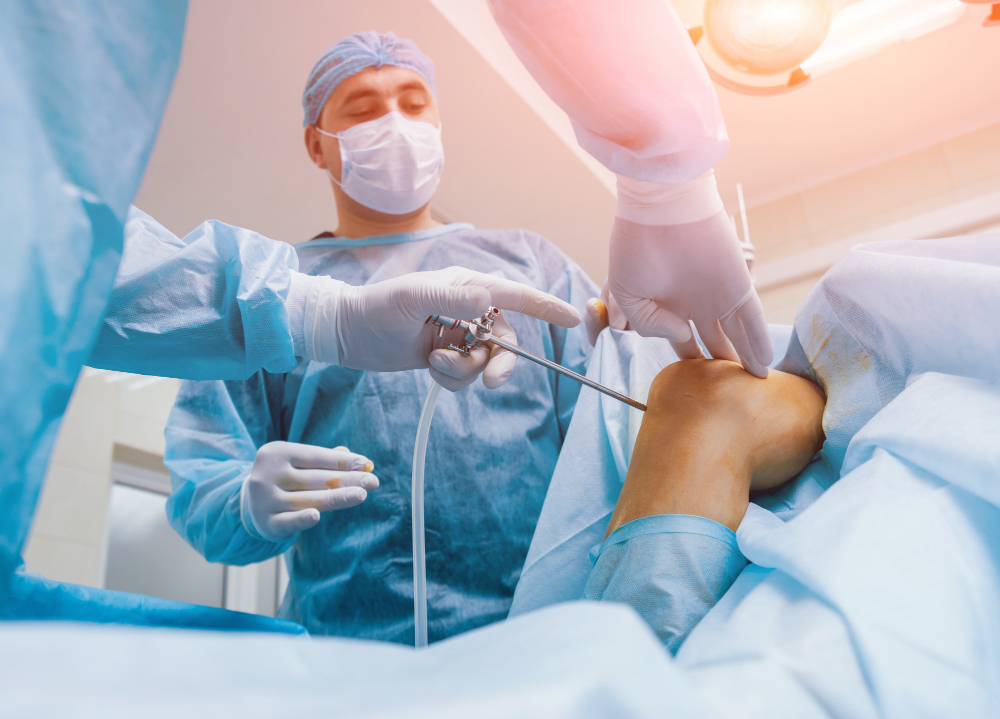
PCL surgery is usually done with small cuts and a camera, called arthroscopy. During the procedure, the surgeon repairs or replaces the damaged ligament. Sometimes, they use tissue from your own body or a donor. The surgery takes about one to two hours. Most people go home the same day. However, you will need someone to drive you home.
Recovery Timeline and Rehabilitation Tips
Recovery from PCL surgery takes time. At first, you may need crutches or a knee brace. Physical therapy starts soon after surgery. This helps you regain strength and movement. Here is a general timeline:
Following your therapist’s advice is key for a safe recovery. In addition, always ask questions if you are unsure about any step.
Risks and Potential Complications
Like any surgery, PCL surgery has some risks. However, most people recover well. Possible complications include:
Although these risks are rare, it is important to follow your doctor’s advice. Early care can help prevent most problems.
Prevention Tips for Knee Injuries
While not all knee injuries can be avoided, you can lower your risk. For example, try these tips:
By taking these steps, you can help protect your knees from injury.
Lifestyle Guidance After PCL Surgery
After PCL surgery, you may need to adjust your daily routine. For instance, avoid high-impact sports until your doctor says it is safe. Focus on gentle activities like walking or swimming. Eat a balanced diet to support healing. Also, keep your follow-up appointments. Over time, you can return to most activities. However, listen to your body and rest when needed.
Conclusion
PCL surgery can help restore knee stability and reduce pain. With proper care, most people return to their normal lives. If you have questions about PCL injury treatment or knee ligament repair, consult an orthopedic specialist at Keyan Clinic for personalized advice on PCL surgery and recovery.