
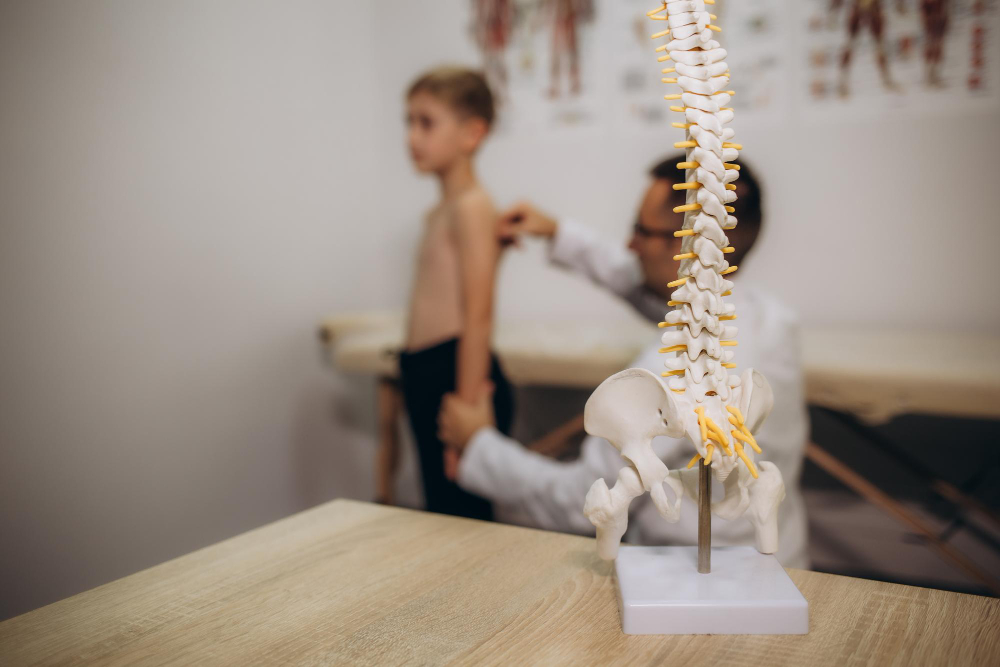
What Is Scoliosis?
Scoliosis is a condition where the spine curves sideways. Often, this curve forms an “S” or “C” shape. Many people do not notice it at first. In most cases, scoliosis develops slowly and without pain. Because of this, it can go unnoticed for a long time. However, early detection is very important. With early signs of scoliosis, treatment can start sooner. This helps prevent the curve from getting worse. According to the World Health Organization (WHO), scoliosis affects about 2–3% of the population.
Common Symptoms and Warning Signs
At first, scoliosis may not cause any pain. Still, there are warning signs to watch for. Early signs of scoliosis can be subtle. But, noticing them early can make a big difference. Look for these symptoms:
Sometimes, parents or teachers spot these changes first. If you see any of these signs, it is wise to seek a scoliosis screening.
Causes and Risk Factors
Most cases of scoliosis have no known cause. This is called idiopathic scoliosis. However, there are some known risk factors. For example, girls are more likely to have severe curves. Scoliosis often runs in families. In rare cases, it can be caused by birth defects, injuries, or diseases like cerebral palsy. Age is also a factor. Scoliosis often appears during growth spurts, especially in children aged 10 to 15 years.
How Scoliosis Is Diagnosed
Early diagnosis is key for better spine health. Doctors start with a physical exam. They may ask you to bend forward and check your back. If they see a curve, they may order an X-ray. This helps measure the angle of the spinal curve. Sometimes, other tests like MRI or CT scans are needed. Scoliosis diagnosis is usually quick and painless. Regular scoliosis screening in schools or clinics can help catch the condition early.
Treatment Options for Scoliosis
Treatment depends on the size of the curve and the age of the person. For mild curves, doctors may only suggest regular check-ups. If the curve is moderate, a back brace may help. Bracing can stop the curve from getting worse. In severe cases, surgery may be needed. Surgery can straighten the spine and prevent future problems. Physical therapy and exercises can also help keep the back strong. Orthopedic care is important for the best results.
The Importance of Early Detection
Early detection changes everything. When scoliosis is found early, treatment can start before the curve gets worse. This can prevent pain and other health problems. In addition, early treatment often means less invasive care. For example, bracing works best when started early. According to the Centers for Disease Control and Prevention (CDC), early scoliosis screening leads to better outcomes. So, regular check-ups are important for children and teens.
Living with Scoliosis: Lifestyle Tips
Many people with scoliosis live active, healthy lives. Still, some daily habits can help manage symptoms. For example, regular exercise keeps the back strong. Good posture also helps reduce strain. Here are some tips for living well with scoliosis:
With the right care, most people can enjoy their favorite activities.
Prevention and When to Seek Help
While most cases of scoliosis cannot be prevented, early action is still important. Regular check-ups and scoliosis screening can catch problems early. If you notice uneven shoulders, hips, or other warning signs, do not wait. Seek help from an orthopedic specialist. Early treatment can stop the curve from getting worse. In some cities, you can find scoliosis treatment centers that offer expert care. Always ask your doctor about the best options for you or your child.
If you notice signs of scoliosis, consult an orthopedic specialist at Keyan Clinic for personalized guidance.