
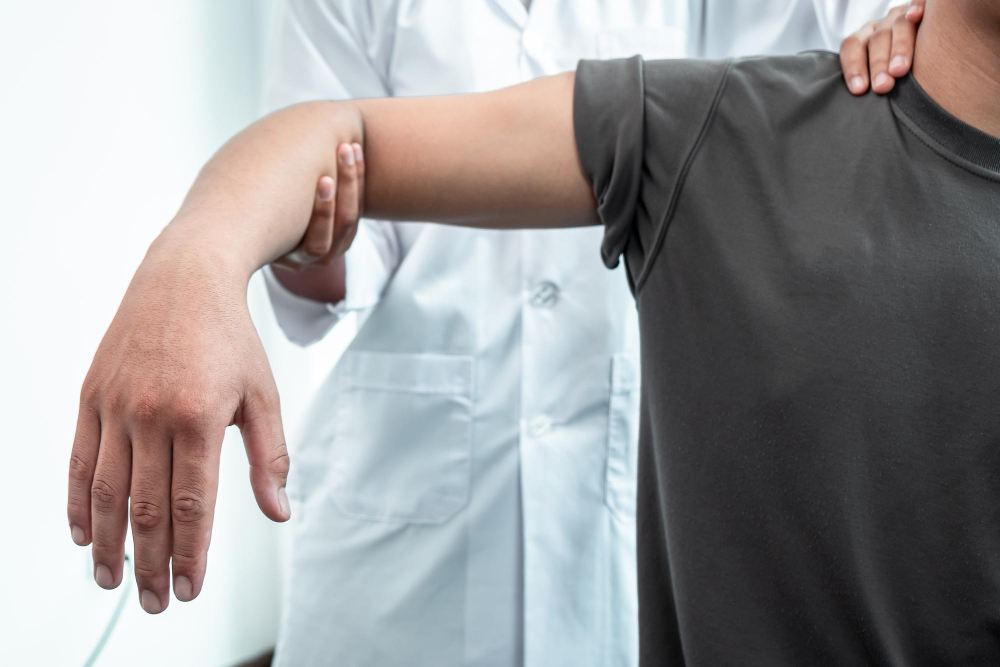
What is Shoulder Arthroscopy?
Shoulder arthroscopy is a minimally invasive shoulder surgery. Doctors use it to look inside and treat problems in the shoulder joint. During this procedure, a small camera called an arthroscope is inserted through tiny cuts. This camera sends images to a screen, helping the orthopedic surgeon see the inside of your shoulder. Because the cuts are small, healing is often faster than with open surgery. Many people choose shoulder arthroscopy for shoulder pain treatment and to fix injuries.
When is Shoulder Arthroscopy Needed?
Doctors may suggest shoulder arthroscopy if other treatments do not help your pain. For example, you might need this surgery if you have:
Sometimes, shoulder arthroscopy is also used to remove inflamed tissue or repair ligaments. If you have ongoing pain or trouble moving your shoulder, your doctor may discuss this option.
How is the Procedure Performed?
First, the orthopedic surgeon gives you anesthesia so you do not feel pain. Next, the doctor makes a few small cuts around your shoulder. Through one cut, the arthroscope goes in. Through the others, tiny tools are used to fix the problem. The surgeon watches a screen to guide the tools. Usually, the whole shoulder joint procedure takes about one to two hours. After the surgery, you rest in a recovery area before going home. Most people do not need to stay overnight.
Benefits of Shoulder Arthroscopy
There are many reasons why people choose minimally invasive shoulder surgery. Some key benefits include:
Because of these benefits, shoulder arthroscopy is a popular choice for shoulder pain treatment.
Risks and Possible Complications
Although shoulder arthroscopy is safe, every surgery has risks. It is important to know about possible problems, such as:
However, most people recover well and do not have serious issues. Your doctor will explain how to lower these risks before the procedure.
Recovery and Aftercare Tips
After shoulder arthroscopy, recovery is usually quicker than with open surgery. Still, you need to follow some steps for the best results. Here are some helpful tips:
Most people return to normal activities in a few weeks. However, full shoulder arthroscopy recovery can take several months, especially for sports or heavy work.
Prevention and Lifestyle Guidance
Even after a successful shoulder joint procedure, it is wise to protect your shoulder. You can lower your risk of future problems by:
With these steps, you can help keep your shoulder strong and flexible.
Frequently Asked Questions
Is shoulder arthroscopy painful?
During the procedure, you will not feel pain because of anesthesia. After surgery, some pain and swelling are normal, but medicine and ice can help.
How long does shoulder arthroscopy recovery take?
Many people feel better in a few weeks. However, full recovery may take three to six months, depending on the problem treated.
Can I drive after shoulder arthroscopy?
You should not drive until your doctor says it is safe. Usually, you can drive again when you can move your arm without pain and are off strong pain medicine.
Are there alternatives to shoulder arthroscopy?
Yes, options like physical therapy, medicine, or injections may help some people. However, if these do not work, surgery may be needed.
Consult an orthopedic specialist at Keyan Clinic for personalized advice on shoulder arthroscopy.